
The Unseen Risk: Why Standard Estate Planning Fails Individuals with Disabilities

McNair Dallas Law

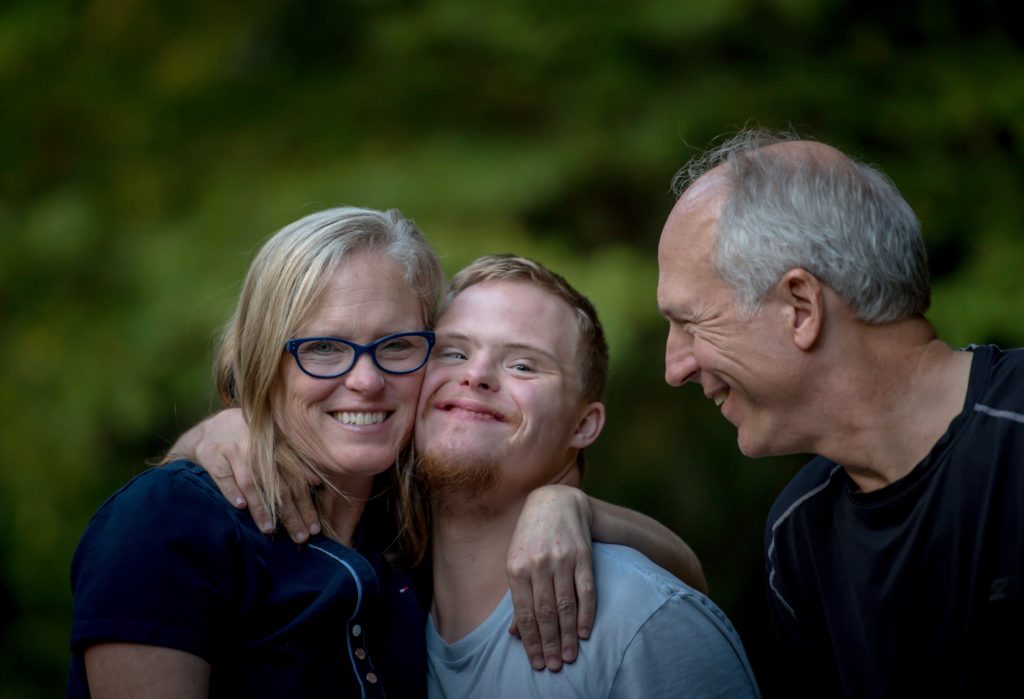
Young woman with Down Syndrome

We often view estate planning as an optional chore—a task for the "ultra-wealthy" or something to be tackled in the distant future. In reality, estate planning is the only way to override the default "backup plans" written into state law. While these default laws provide a basic structure for transferring property, they are often blunt instruments that can cause unintended financial catastrophes for families caring for a loved one with a disability. If you have a child or grandchild with physical or cognitive challenges, a "standard" will isn't just insufficient—it could be a legal landmine.

We often view estate planning as an optional chore—a task for the “ultra-wealthy” or something to be tackled in the distant future. In reality, estate planning is the only way to override the default “backup plans” written into state law. While these default laws provide a basic structure for transferring property, they are often blunt instruments that can cause unintended financial catastrophes for families caring for a loved one with a disability.

If you have a child or grandchild with physical or cognitive challenges, a “standard” will isn’t just insufficient—it could be a legal landmine.


The “Grandpa’s Mistake” Scenario: How Good Intentions Go Wrong

Consider a common scenario involving a grandfather with five grandchildren. One grandson suffered a severe brain injury at age 16, leaving him with lifelong motor skill impairments. At 22, he relies on Supplemental Security Income (SSI) and Medicaid to cover his basic living and medical expenses.

The grandfather had a typical, well-meaning estate plan: leave everything to the surviving spouse, then divided equally among the children and grandchildren.

The Conflict: Means-Tested Benefits

Public benefits like SSI and Medicaid are “means-tested.” To remain eligible, a recipient cannot have more than $2,000 in countable assets. Under the grandfather’s original plan, the grandson would have received a direct inheritance of thousands of dollars.

The Resulting Crisis:

  • Disqualification: The Department of Health & Human Services would view the inheritance as an “available resource” for benefits qualification.

  • The “Spend Down”: The grandson would lose his monthly income and health insurance until he “spent down” his inheritance to below the $2,000 limit.

  • State Reimbursement: If the inheritance had been placed into a court-ordered “First-Party” trust after the fact, the state would likely require reimbursement for all medical care provided during the grandson’s life before any remaining money could go to other family members.

Fortunately, by updating his plan to include a Special Needs Trust (SNT), the grandfather ensured his legacy would supplement his grandson’s life rather than supplant his vital government support.


Understanding Your Toolkit: SNTs, ABLE Accounts, and More

When planning for a beneficiary with a disability, you are essentially building a protective “wrapper” around your assets. Here are the primary tools used by experienced estate planning & elder law attorneys.

1. Supplemental Needs Trusts (Special Needs Trusts)

An SNT allows assets to be held for a beneficiary’s benefit without counting toward the $2,000 SSI/Medicaid limit.

  • Third-Party SNT: Created with your money (the parent or grandparent). This is the “gold standard” because it does not require the state to be paid back upon the beneficiary’s death. Remaining funds can stay in the family.

  • First-Party SNT: Created with the beneficiary’s own money (e.g., from a personal injury settlement or an unplanned inheritance). These must include a “payback provision” to the state.

2. ABLE Accounts (529A)

Created by the Achieving a Better Life Experience Act, these are tax-advantaged savings accounts.

  • Limits: Up to $100,000 in an ABLE account is ignored for SSI purposes (Medicaid eligibility is unaffected by higher amounts).

  • Contributions: As of 2026, annual contribution limits are adjusted for inflation (historically starting around $15,000–$18,000).

  • Flexibility: The owner can use the funds for “qualified disability expenses,” including housing, transportation, and health prevention.

3. Pooled Trusts

Managed by non-profit organizations, pooled trusts combine the resources of many beneficiaries for investment purposes while maintaining individual “sub-accounts.” This is often a cost-effective choice for smaller estates that may not justify the fees of a private corporate trustee.

4. Exempt Resources

Sometimes the simplest plan is the most effective. Certain assets do not count against benefit limits, such as:

  • A primary residence.

  • One automobile.

  • Household goods and personal effects.


A 3-Step Roadmap to Protection

Planning for two futures—yours and your child’s—can feel daunting. Breaking it into actionable steps removes the emotional weight.

Phase 1: The “Information Fortress”

Before visiting an experienced elder law attorney, you must organize. If you are incapacitated, a “system” that only exists in your head is a liability.

  • Create a physical or digital “Master File” with birth certificates, Social Security cards, deeds, and military records.

  • Document emergency contacts, medical history (including IEPs for students), and a detailed financial chart of all income and recurring bills.

  • List your current legal documents and—crucially—a secure list of digital usernames and passwords.

  • The Letter of Intent: This is a non-legal document that serves as a “manual” for your child’s life. It details their likes, dislikes, routines, and your hopes for their future care.

Phase 2: Building the Legal Framework

  • Identify your goals and meet with a Certified Elder Law Attorney. Elder Law is a bit of a misnomer, since to become a Certified Elder Law Attorney you must have experience with and in-depth knowledge of special needs & disability planning. They must also understand the intersection of the Texas Bar guidelines and federal programs like Medicare, Medicaid, and SSI.

  • Manage Your Own Incapacity: Ensure you have a Durable Power of Attorney and Advance Health Care Directives. If you are the representative payee for your loved one’s Social Security, specify your preferred successor in your Letter of Intent.

  • Guardianship/Conservatorship: Review whether your child will need a legal guardian once they turn 18. If they have the capacity, they should execute their own Power of Attorney instead.

  • Formalize funeral arrangements and have your attorney draft a Will or Revocable Living Trust that incorporates the Supplemental Needs Trust language.

Phase 3: The Living Document

  • The Annual Review: Life changes. Laws change. Tax codes change. Set a recurring date—perhaps every New Year—to review your plan and ensure your beneficiary designations (on life insurance and 401ks) still point to the Trust and not the individual.


Why “Wait and See” is a Dangerous Strategy

The “default laws” of the state are designed for the “average” family. But if your family includes someone with special needs, you are not the “average” case. Failing to plan isn’t just an administrative oversight; it is a choice to leave your child’s healthcare and financial stability up to chance.

Thoughtful planning preserves resources, ensures quality of life, and, most importantly, provides the one thing money can’t buy: peace of mind.

Contact our office today to get started.

References: Kiplinger (Feb. 9, 2022) “How to Keep Your Estate Plan from Jeopardizing a Disabled Heir’s Benefits”

Special Needs Alliance (Vol. 7, Issue 4) “An Estate Plan for Parents of Children with Disabilities”

State Bar of Texas: Disability Rights & Issues

Global Down Syndrome Association: Estate Planning for Families with a loved one with Down Syndrome.

Please Share:

Facebook
Twitter
LinkedIn
Email

Search McNair Dallas Law