
Beyond the Last Will: Why a Complete Estate Plan Requires More Than a Basic Will

McNair Dallas Law

Grandparents walking with grandchildren in the fall need estate planning.

You should be aware of what a will can’t or shouldn’t do.

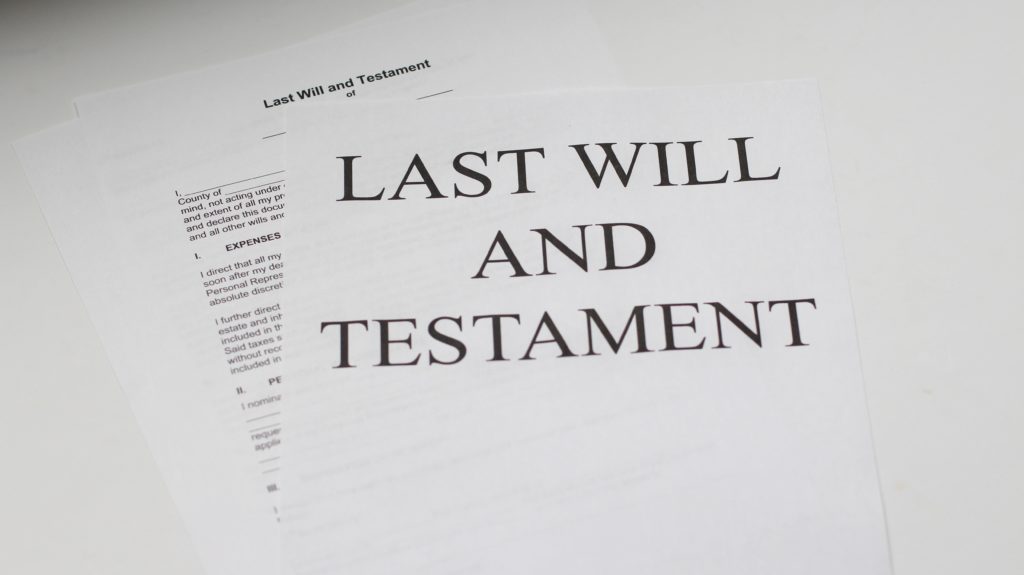
A Last Will and Testament is often considered the foundation of estate planning. For many people, having their Will drafted feels like checking off a major life to-do item – and you can sleep easier knowing it’s done. But a complete estate plan does more than designate who receives your assets, appoint a guardian for your minor children, and name an executor to oversee the administration of your estate.

Relying solely on a simple will can expose your family to unexpected legal hurdles, avoidable delays, financial stress, and public loss of privacy. A will has clear legal limits on what it can – and should – accomplish.

To build a secure strategy, it helps to understand what a will does, where it falls short, and how supplementary instruments like revocable living trusts, non-probate beneficiary designations, and specialized asset protection tools create a complete estate plan.

What a Will Accomplishes (and What It Can’t)

A Last Will & Testament is a legal document that dictates how your individually owned assets should be distributed after your death.

Key Functions of a Will:

  • Asset Distribution: Identifies specific beneficiaries for real estate, personal property, and financial accounts.
  • Guardian Designation: Names trusted individuals to care for minor children.
  • Executor Appointment: Designates a personal representative to settle debts, manage estate administrative duties, and carry out your instructions.

Critical Limitations of a Will:

Despite it’s necessity, a will is not a standalone shield against court intervention.

  • Inoperative During Life: A will takes effect only upon death. It provides no guidance or authority if you become incapacitated due to illness or injury.
  • Does Not Bypass Probate: A will acts as an instruction letter to the probate judge. It MUST go through the court system before assets can be legally transferred.
  • Cannot Override Specific Asset Contracts: Assets governed by beneficiary designations (such as life insurance policies or 401(k) accounts) pass directly to the named individual, completely ignoring instructions written in your will.

The Texas Probate Process

Probate is the court-supervised legal process of validating a deceased person’s will, settling outstanding debts, and distributing remaining assets to beneficiaries.

In Texas, a special provision called Independent Administration often makes probate much less time-consuming, less onerous, and significantly less expensive than in states like California and New York – but only if the exact legal phrases are used in the writing of the will. Even with streamlined probate, there are inherent trade-offs:

  • Court Delays and Account Freezes: Even under efficient state laws, opening an estate, getting court hearings scheduled, and obtaining Letters Testamentary can take weeks or months. During this interim, access to bank accounts may be frozen, putting financial pressure on surviving family members needing immediate funds for household expenses.
  • Public Record Exposure: Once a will is submitted for probate, it becomes a permanent public record. Anyone—from nosey neighbors to predatory marketers—can inspect court filings to discover your asset details, debt obligations, and family distribution choices.
  • Ancillary Probate Issues: If you own real estate outside your home state (such as a vacation home or out-of-state land), your family may face “ancillary probate”—a secondary, separate court proceeding in each state where property is owned.

Bypassing Probate: Trusts and Direct Transfer Strategies

To avoid the delays and public disclosures of court probate, estate planning lawyers often recommend non-probate transfer mechanisms.

1. Revocable Living Trusts

According to the American Bar Association (ABA), a revocable living trust is a flexible estate planning tool that manages your property during your lifetime and transfers it smoothly upon your death.

  • Lifetime Control: You act as the trustee while alive and competent, keeping complete power to modify, amend, or revoke the trust at any time.
  • Incapacity Protection: If you become incapacitated, a pre-named successor trustee steps in seamlessly to manage financial affairs without needing a court-ordered guardianship.
  • Privacy Maintenance: Trust administration is handled privately in an attorney’s office rather than in an open courtroom.
  • Pour-Over Wills: When implementing a revocable trust, attorneys include a “pour-over will”. This acts as a safety net, directing any forgotten or un-titled assets into the trust upon death.

2. Jointly-Held Property

Holding real estate or financial accounts as Joint Tenants with Right of Survivorship (JTWROS) means the property automatically passes to the surviving owner upon death. However, adding non-spouses to titles as joint tenants introduces risks: it grants the co-owner immediate ownership rights and exposes the asset to their personal debts or lawsuits.

3. Beneficiary Designations & TOD/POD Accounts

You can assign direct beneficiaries using specific bank and financial forms:

  • Payable on Death (POD): Used for checking, savings, and certificates of deposit.
  • Transfer on Death (TOD): Used for brokerage accounts, securities, and in many states, real property via Transfer on Death Deeds.
  • Contractual Beneficiaries: Life insurance, 401(k) plans, and IRAs automatically pass to designated primary and contingent beneficiaries.

Why Conditional Bequests and Disinheritance Fail in Wills

Attempting to enforce strict behaviors or cut out family members through a basic will often leads to litigation.

The Pitfalls of Conditional Bequests

It is common to want to encourage good habits—such as requiring a beneficiary to graduate college, stay married, or secure employment before receiving an inheritance. However, putting behavioral conditions directly inside a standard will is often impractical.

The executor’s duties end once the estate closes, leaving no one behind to monitor or enforce long-term conditions. Furthermore, conditions that violate public policy (such as requiring a beneficiary to divorce or change religions) are legally unenforceable.

To manage conditional distributions over time, attorneys use testamentary or living trusts managed by an ongoing trustee.

Protection for Special Needs Beneficiaries

According to guidelines from the National Academy of Elder Law Attorneys (NAELA), leaving a direct inheritance to a family member with disabilities can unintentionally cause harm. Receiving cash directly through a will may disqualify them from government safety-net programs like Medicaid or Supplemental Security Income (SSI).

Instead, elder law specialists recommend establishing a Special Needs Trust (SNT). The trust holds assets for the beneficiary’s supplemental care without impacting their government benefit eligibility.

The Challenge of Disinheriting a Spouse

While you can generally disinherit adult children, fully disinheriting a legal spouse is extremely difficult:

  • Elective Share Laws: Most common-law states grant surviving spouses a legal right to claim an “elective share” (typically 33% to 50% of the estate), regardless of what the will states.
  • Community Property Laws: In community property states like Texas, a deceased spouse can only give away their half of the community property; the surviving spouse automatically retains their own 50% share.
  • Legal Exceptions: A spouse can be validly excluded from an estate plan through an enforceable prenuptial or postnuptial agreement, or by voluntarily filing a formal legal waiver (“disclaimer”) after death.

Essential Non-Will Documents for a Complete Estate Plan

A truly comprehensive estate plan protects you while you are alive, not just after you pass away. According to guidance from the State Bar of Texas, a complete plan includes core statutory instruments:

Document TypePrimary PurposeKey Benefit
Durable Financial Power of AttorneyAppoints an agent to handle financial affairs.Prevents court-ordered financial guardianship during incapacity.
Medical Power of AttorneyDesignates a trusted representative for healthcare choices.Ensures decisions follow your values when you can’t speak.
Directive to Physicians (Living Will)Specifies preferences for life-sustaining medical care.Removes emotional burdens from family members during crisis.
HIPAA Authorization ReleaseAuthorizes medical providers to share confidential records.Allows designated agents immediate access to healthcare updates.

Avoid Expensive Mistakes

To avoid expensive mistakes, it is best to consult with an experienced estate planning attorney.  Contact our office today – we can help.

Reference: Chicago Sun-Times (Nov. 18, 2021) “Estate planning: When a will won’t work”

Frequently Asked Questions (FAQs)

Q: What is the difference between a Will and a Revocable Living Trust?

A: A will is a legal document that outlines asset distributions and guardian appointments, taking effect only after death and requiring probate court approval. A revocable living trust takes effect immediately upon signing, holds legal title to your assets during life, provides seamless management if you become incapacitated, and distributes assets privately outside of court.

Q: If I set up a living trust, do I still need a will?

A: Yes. You still need a short “pour-over will”. This document names legal guardians for minor children and acts as a backup to transfer any un-titled or newly acquired assets into your trust upon your death.

Q: Does a trust protect my assets from creditors or lawsuit judgments?

A: A standard revocable living trust does not protect your personal assets from creditors during your lifetime. Because you retain full control to modify or revoke the trust, courts treat those assets as your personal property. Asset protection typically requires specific types of irrevocable trusts.

Q: How do beneficiary designations interact with instructions in my will?

A; Beneficiary designations (such as POD/TOD designations on bank accounts, or named beneficiaries on retirement plans and life insurance) take legal precedence over a will. Even if your will leaves everything to your child, an old bank account with an ex-spouse named as the POD beneficiary will be paid to the ex-spouse.

Q: What happens if I die without a will or trust in Texas?

A: Dying without a valid estate plan means dying “intestate.” Your assets will be divided according to state statutory formulas, regardless of your personal wishes or oral promises. This process requires formal court proceedings, increased legal fees, and potential family disputes over who serves as administrator.

Please Share:

Facebook
Twitter
LinkedIn
Email

Search McNair Dallas Law