

Navigating the Golden Years: Why an Aging Life Care Manager is Your Family’s Secret Weapon

McNair Dallas Law

An Aging Life Care Manager meeting with a client to help her navigate care options.

As many family caregivers know all too well, caring for an elderly loved one can overwhelm you quickly.

As our population ages, the complexities of eldercare have transformed from simple family discussions into a multifaceted maze of medical, legal, and financial hurdles. For many families, the realization that a loved one needs help doesn’t come all at once; it arrives in a series of stressful moments—a missed medication, an unexplained fall, or the mounting confusion of a complex insurance claim.

In this high-stakes environment, a new class of professionals has become indispensable: Aging Life Care Managers (ALCMs). Formerly known as geriatric care managers, these experts serve as the “project managers” of the aging process.

Whether you are navigating these waters from across the country or living next door to your aging parents, understanding the role of an Aging Life Care Professional can be the difference between a crisis and a well-managed plan.


What is an Aging Life Care Manager?

At its core, an Aging Life Care Manager is a health and human services specialist who acts as a guide and advocate for families who are caring for older relatives or adults with disabilities. As noted by Seniors Matter, these professionals are more than just consultants; they are often viewed as “unofficial family members” because of the deep trust and bonds they build with their clients.

Most ALCMs come from backgrounds in Social Work, Nursing, or Gerontology. They bring a clinical eye to the home environment, identifying risks that a loving family member might overlook. By combining their professional expertise with a compassionate touch, they ensure that the senior’s quality of life is prioritized while the family’s stress is minimized.


The Eight Pillars of Expertise

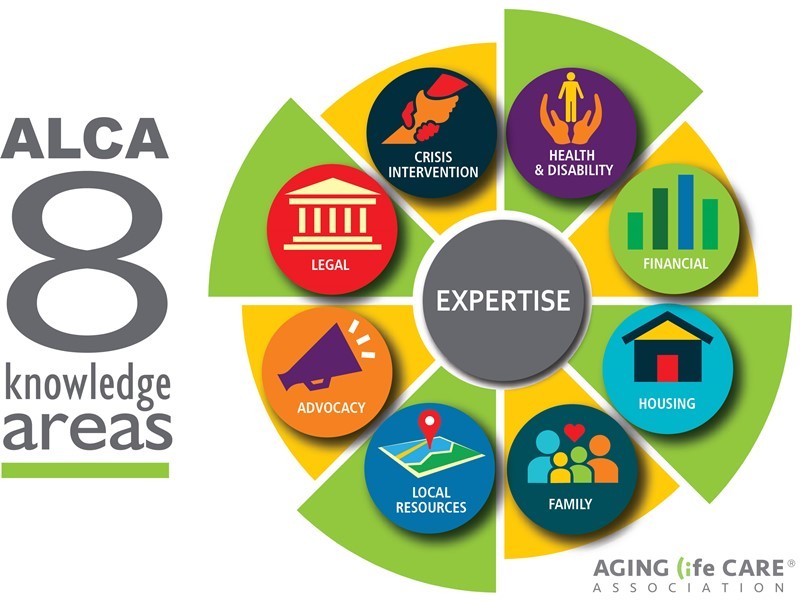
The Aging Life Care Association (ALCA), the gold standard for the profession, requires its members to be proficient in eight key “knowledge areas.” When you hire a certified professional, you aren’t just getting medical advice; you are getting a holistic strategy across these domains:

1. Health and Disability

ALCMs interact with the healthcare system daily. They accompany clients to doctor appointments, ensure that information is communicated accurately between specialists, and monitor the client’s physical and mental status to reduce or prevent unnecessary hospitalizations.

2. Financial

While they aren’t financial planners, they help manage the cost of care. They can review bills for errors, assist with insurance claims, and help families understand how to stretch resources to cover long-term needs.

3. Housing

Should your loved one stay at home with 24/7 care, or is it time for an assisted living community, memory care, or nursing home? An ALCM provides an unbiased assessment of care and housing options, focusing on safety and social engagement.

4. Families

Eldercare often stirs up decades-old family dynamics. ALCMs act as a neutral third party, facilitating difficult conversations, mediating between siblings and helping the family reach a consensus on the best path forward.

5. Local Resources

They know the “boots on the ground” in your specific community—which home health agencies are reliable, which elder law attorneys are the most responsive, and which non-profit organizations offer the best support.

6. Advocacy

In a crowded hospital or a busy rehab facility, a senior can easily become “just another room number.” An ALCM is a fierce advocate, ensuring that the patient’s wishes are respected and that they receive the level of care they deserve.

ALCMs work closely with legal professionals, such as those at McNair Dallas Law, to ensure that Powers of Attorney, Living Wills, and Special Needs Trusts are not only in place but are being honored by medical providers.

8. Crisis Intervention

When an emergency hits at 2:00 AM, an ALCM is often the first call. They navigate the emergency room, coordinate with trauma teams, and ensure that the transition from hospital to home is seamless and safe.


The Value of Professional Certification

Not everyone who calls themselves a “senior consultant” has the credentials to back it up. The Aging Life Care Association maintains rigorous standards. To be recognized as an Advanced Professional, a member must:

  • Hold a specialized degree in a field related to aging.
  • Meet strict work experience requirements.
  • Hold at least one of the four nationally recognized professional certifications (such as CMC, C-ASWCM, CASW, or BCG).

This certification ensures that the professional follows a strict Code of Ethics and Standards of Practice, providing families with peace of mind that their loved one is in ethical, capable hands.


Long-Distance Caregiving: Bridging the Gap

One of the greatest stressors for the “Sandwich Generation” is providing care from a distance. If you live in Dallas but your parents are in Florida, every phone call can feel like an interrogation: Are they eating? Are they taking their heart medication? Is the house clean?

ALCMs serve as your eyes and ears. They provide:

  • Regular Check-ins: Physical visits to the home to assess well-being.
  • Medical Coordination: Accompanying the client to the physician and providing the family with a detailed report of the visit.
  • Insurance Advocacy: Intervening to ensure medications and procedures are covered, saving families thousands of dollars and hours of frustration.

At McNair Dallas Law, we understand that legal planning and daily care are two sides of the same coin. An estate plan is only effective if the person it’s meant to protect is being cared for properly.

An Aging Life Care Manager can be a welcome source of advice when making legal decisions. For example, if you are setting up a guardianship or a trust, an ALCM can provide the “functional assessment” needed to help the legal team understand exactly what level of support the individual requires. This collaboration ensures that the legal documents reflect the reality of the senior’s daily life.


Is an Aging Life Care Manager Right for You?

You might think, “I can handle this on my own.” And perhaps you can—for now. However, many families find that the time commitment of caregiving eventually leads to burnout.

Even if you have the time, you may lack the expertise to navigate the “complex issues associated with proper care coordination.” It is much easier to feel confident about important decisions when you can consult with a qualified professional who has seen these scenarios hundreds of times before.

Signs you may need an ALCM:

  • The senior has multiple chronic medical conditions (e.g., Diabetes, Dementia, Heart Disease).
  • The family is experiencing conflict over care decisions.
  • The primary caregiver is feeling overwhelmed, depressed, or physically exhausted.
  • The senior is resisting help or “hiding” their symptoms.
  • There are concerns about safety at home (falls, wandering, or self-neglect).

How to Find a Professional

If you are ready to take the next step, there are excellent resources available to help you find a qualified manager in your area.

  1. The Aging Life Care Association Website: Use their Find an Aging Life Care Expert search engine. You can filter by zip code and specific areas of expertise.
  2. Seniors Matter: This organization offers a comprehensive guide that provides seniors and their families with detailed information about ALCMs, what they do, and how to vet candidates.
  3. Legal Consultation: Contact a firm like McNair Dallas Law. Often, your elder law attorney can provide a referral to a trusted ALCM they have worked with in the past.

Conclusion: Investing in Peace of Mind

Aging is a journey that no one should have to navigate alone. While the healthcare system can feel cold and bureaucratic, an Aging Life Care Manager brings humanity and organization back into the fold.

By hiring an ALCM, you aren’t just “outsourcing” care; you are investing in a higher quality of life for your loved one and reclaiming your role as a daughter, son, or spouse—rather than just a caregiver. With the right guidance, the golden years can truly be lived with dignity, safety, and peace of mind.


About McNair Dallas Law: We specialize in helping families navigate the complexities of elder law, estate planning, and long-term care. Our goal is to protect assets while ensuring your loved ones receive the highest standard of care.

About the Aging Life Care Association® (ALCA): ALCA is the leading professional organization for Aging Life Care Professionals®. Members are held to the highest standards of practice and code of ethics in the industry.

Reference: Seniors Matter (July 7, 2022) “What is a geriatric care manager?”

Please Share:

Facebook
Twitter
LinkedIn
Email

Search McNair Dallas Law